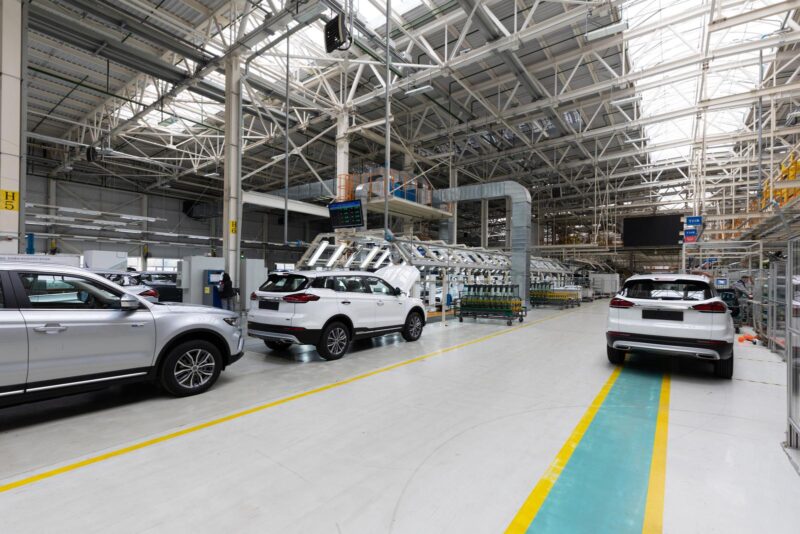
In today’s rapidly evolving industrial landscape, the drive for increased efficiency and productivity has never been more critical. With the advent of automated industrial solutions, factories and manufacturing processes are undergoing a profound transformation. These cutting-edge technologies are revolutionizing the way industries operate, streamlining operations, enhancing safety, and delivering higher quality products at a faster pace.
Automated industrial solutions, also known as industrial automation, encompass a wide range of technologies including robotics, artificial intelligence, machine learning, and Internet of Things (IoT) devices. These innovative tools are designed to perform tasks previously carried out by human workers, minimizing errors, reducing operational costs, and maximizing throughput. As a result, manufacturers can achieve unprecedented levels of efficiency and competitiveness in today’s global markets.
One of the key benefits of implementing automated industrial solutions is the ability to streamline operations across the entire supply chain. From procurement and inventory management to production and logistics, automation enables seamless coordination and real-time data integration. This not only improves overall efficiency but also allows for better demand forecasting, reducing inventory waste and supply chain bottlenecks.
Moreover, the integration of automated industrial solutions significantly enhances safety in factory environments. By automating hazardous or physically strenuous tasks, companies can minimize the risk of accidents and injuries to their workforce. Additionally, these technologies can easily detect anomalies in production processes, triggering preventive measures to mitigate potential hazards and ensure product quality.
One of the most remarkable advantages of automated industrial solutions is their ability to yield faster, smarter, and better results. With the use of robotics and AI, complex tasks can be executed with unparalleled precision and accuracy. This not only accelerates production rates but also reduces waste and rework, increasing overall operational effectiveness.
As industries are embracing the ongoing digital transformation, one thing is certain: automated industrial solutions are shaping the future of manufacturing. With their ability to optimize efficiency, enhance safety, and improve product quality, these technologies empower companies to stay ahead of the competition in an increasingly dynamic and demanding marketplace.
A New Era of Efficiency: How Automated Industrial Solutions Are Revolutionizing Manufacturing Processes
The world of manufacturing has undergone a dramatic transformation in recent years, thanks to the advent of automated industrial solutions. These cutting-edge technologies have ushered in a new era of efficiency, revolutionizing traditional manufacturing processes. With the ability to perform tasks with unparalleled precision and speed, automated industrial solutions have become indispensable in modern factories.
Automated industrial solutions encompass a wide range of technologies, including robotic automation systems, advanced machine learning algorithms, and real-time data analysis. These innovative solutions optimize various aspects of manufacturing, from production and assembly to quality control and inventory management. By seamlessly integrating into existing workflows, these technologies have not only enhanced operational efficiency but also reduced costs and minimized errors.
One of the key benefits of implementing automated industrial solutions is the significant increase in productivity. With machines capable of performing repetitive tasks at higher speeds and with consistent accuracy, production rates have skyrocketed. This surge in productivity has enabled manufacturers to meet growing demands while maintaining high product quality.
Moreover, automated industrial solutions have had a profound impact on labor utilization. Traditionally, many labor-intensive tasks required significant human involvement, often leading to physical strain and potential workplace hazards. However, with the introduction of automated solutions, these tasks can now be performed by robots and machines, freeing up human workers to focus on more complex and value-added roles.
Another remarkable aspect of automated industrial solutions is their ability to gather and analyze real-time data. By continuously monitoring production processes, these technologies identify inefficiencies, bottlenecks, and areas for improvement. This data-driven approach enables manufacturers to make informed decisions, optimize workflows, and make necessary adjustments without delay, all leading to improved operational efficiency and reduced downtime.
Furthermore, automated industrial solutions have also played an instrumental role in enhancing product quality and consistency. By eliminating the risk of human error and ensuring precise measurements, these technologies facilitate manufacturing processes with unparalleled accuracy. This ultimately translates into products that meet strict quality standards, resulting in increased customer satisfaction and loyalty.
Automated industrial solutions have ushered in a new era of efficiency for manufacturing processes. These transformative technologies have revolutionized workflows, significantly increased productivity, optimized labor utilization, and improved product quality. As industries continue to embrace automation, the benefits afforded by automated industrial solutions will further propel the manufacturing sector into a faster, smarter, and more efficient future.
From Manual Labor to Automation: Exploring the Rise of Automated Industrial Solutions in Factories
The traditional image of bustling factories filled with workers diligently engaged in manual labor is rapidly changing. With the advent of automated industrial solutions, the manufacturing landscape is undergoing a profound transformation. These technological advancements are revolutionizing the way factories operate, leading to increased efficiency, productivity, and cost-effectiveness.
One of the primary drivers behind the shift towards automation is the desire to streamline processes and eliminate human error. By implementing automated industrial solutions, factories can reduce the reliance on manual labor, minimizing the risk of human mistakes that can cause delays or quality issues. This transition allows companies to produce goods with greater precision and consistency, ultimately enhancing overall product quality.
The rise of automated industrial solutions in factories brings about a myriad of benefits that extend beyond improved accuracy. Automation improves production speed, enabling manufacturers to meet growing demands and deadlines more effectively. With machines capable of performing repetitive tasks at a much higher rate than humans, businesses can significantly increase their output without compromising on quality.
Moreover, automated industrial solutions offer enhanced safety measures within factory environments. By replacing workers in hazardous tasks with advanced machinery, the risk of occupational accidents and injuries can be significantly reduced. This shift not only protects the well-being of employees but also saves companies valuable resources by minimizing the occurrence of workplace incidents.
In addition to efficiency and safety, automated solutions also lead to cost savings for manufacturers. Although the initial investment in automation technology may be substantial, the long-term benefits outweigh the initial costs. By eliminating labor-intensive processes and optimizing resource allocation, businesses can enjoy reduced operating expenses, increased profitability, and a stronger competitive edge in the market.
As the global manufacturing sector continues to evolve, the rise of automated industrial solutions is poised to reshape the industry as we know it. Factories must adapt and embrace these technological advancements to stay relevant in an increasingly automated world. By leveraging automation, manufacturers can unlock a new realm of efficiency, productivity, and innovation that paves the way for a more prosperous future.
Streamlining Operations: How Automated Industrial Solutions Have Transformed Supply Chains
Supply chain management has undergone a significant transformation with the advent of automated industrial solutions. These groundbreaking technologies have revolutionized the way companies streamline their operations, enhancing efficiency, reducing costs, and optimizing overall performance. From warehouse management to logistics and transportation, automated industrial solutions have become a game-changer for supply chain operations.
One of the key advantages of automated industrial solutions in supply chains is the seamless integration of various processes. These solutions facilitate real-time data exchange, enabling manufacturers, suppliers, and distributors to collaborate efficiently. With automated systems handling inventory management, order processing, and shipment tracking, manual errors and delays are minimized, leading to improved operational efficiency.
Furthermore, automated industrial solutions have paved the way for greater visibility and transparency across supply chains. These technologies provide real-time insights into inventory levels, production status, and delivery schedules. With accurate and up-to-date data at their fingertips, businesses can make informed decisions, anticipate potential bottlenecks, and proactively address any supply chain disruptions.
The implementation of automated industrial solutions has also accelerated the speed of operations in supply chains. By leveraging advanced robotics and artificial intelligence, tasks that once required human intervention can now be completed at a much faster pace. This not only reduces lead times but also enables companies to meet customer demands more efficiently, leading to heightened customer satisfaction.
Moreover, automated industrial solutions have significantly improved inventory management in supply chains. With real-time tracking of stock levels, businesses can optimize inventory control, minimize stockouts, and reduce the carrying costs associated with excess inventory. Additionally, automated systems can forecast demand patterns accurately, enabling companies to streamline their procurement processes and maintain optimal stock levels.
The implementation of automated industrial solutions has proven to be a game-changer in supply chain operations. By streamlining processes, enhancing visibility, accelerating operations, and improving inventory management, these technologies have transformed traditional supply chains into highly efficient and responsive networks. As the demand for faster and more reliable supply chains continues to grow, the role of automated industrial solutions will only become more prominent.
Enhancing Safety and Quality: The Impact of Automated Industrial Solutions in Factory Settings
Automated industrial solutions have revolutionized factory settings, bringing a significant impact on safety and quality within these environments. By replacing manual labor with automated systems, factories are experiencing new levels of optimization and improvement in their operations.
One key aspect is the reduction in human error. With automated industrial solutions, tasks that were previously prone to errors caused by fatigue or distraction are now executed with precision and accuracy. This not only minimizes defects in the production process but also eliminates potential safety hazards that could arise from mistakes made by human operators.
Furthermore, the implementation of automated systems allows for comprehensive monitoring and real-time data analysis. Sensors and software continuously collect and analyze information, providing valuable insights into various aspects of the production process. This data-driven approach enables proactive decision-making, identifying potential risks and quality issues before they escalate, ultimately enhancing safety and quality control measures.
Additionally, automated industrial solutions promote a safer work environment by reducing the need for workers to perform hazardous tasks. With the introduction of robots and automated machinery, employees can be redeployed to more value-added roles that require critical thinking and problem-solving skills. This shift not only improves employee safety but also enhances overall job satisfaction and motivation within the workforce.
Another significant impact of automated systems is the standardization of processes. By automating repetitive tasks, manufacturers can achieve consistent quality standards throughout production. Automated industrial solutions ensure that each step of the manufacturing process is executed with the same level of precision and adherence to set standards. This not only reduces the likelihood of defects but also ensures product reliability and customer satisfaction.
The implementation of automated industrial solutions in factory settings has brought about a transformative impact on safety and quality. By minimizing human error, enabling real-time data analysis, promoting a safer work environment, and achieving process standardization, these solutions have revolutionized traditional manufacturing practices. As industries continue to adopt and advance automation technologies, they are poised to reap even greater benefits in terms of safety, quality, and overall operational efficiency.
Faster, Smarter, Better: The Advantages of Implementing Automated Industrial Solutions
In today’s fast-paced and ever-evolving industrial landscape, the implementation of automated industrial solutions has emerged as a game-changer for businesses seeking to gain a competitive edge. This revolutionary approach to manufacturing processes brings forth a myriad of advantages, enabling companies to operate on a whole new level of efficiency.
With automated industrial solutions, the speed of production reaches unprecedented heights. By eliminating manual tasks and integrating intelligent machines and robotics, companies can significantly reduce the time required to manufacture products. This not only allows for faster production cycles but also enables businesses to meet growing customer demands and stay ahead in the market.
Moreover, automated industrial solutions bring about a remarkable improvement in the overall quality of production. By minimizing human error and ensuring consistent adherence to predefined standards, these solutions enhance product quality, eliminating variations and defects. The precision and accuracy of automated systems result in higher customer satisfaction, stronger brand reputation, and reduced costs associated with rework or product recalls.
Implementing automated industrial solutions also leads to better resource utilization. Machines equipped with advanced sensors and monitoring capabilities can optimize the use of energy, materials, and manpower. By precisely controlling processes and minimizing wastage, businesses can reduce their environmental footprint and operate in a more sustainable manner.
Furthermore, automation brings a significant boost to workplace safety. Dangerous and repetitive tasks can be assigned to machines, minimizing the risk of human injury. Automated systems are designed with comprehensive safety features and built-in protocols to ensure a secure working environment for employees. This not only protects workers but also saves costs associated with workplace accidents, medical expenses, and insurance premiums.
When businesses adopt automated industrial solutions, they gain a competitive advantage in terms of cost-effectiveness. While initial investments may seem significant, the long-term benefits of reduced labor costs, increased productivity, minimized waste, and enhanced product quality far outweigh the upfront expenses. By streamlining operations and reducing overheads, companies can improve their profitability and allocate resources to other strategic areas of growth.
The advantages of implementing automated industrial solutions are extensive and far-reaching. From faster production cycles to improved product quality, resource optimization, enhanced workplace safety, and cost-effectiveness, businesses are witnessing a transformation in their operations by incorporating automation. As technology continues to evolve, it is crucial for industries to embrace these advancements and harness the power of automation to stay competitive in a rapidly changing world.
The Future of Manufacturing: How Automated Industrial Solutions Are Shaping Industries for Tomorrow
The manufacturing industry is on the cusp of a revolution. With the advent of automated industrial solutions, factories and manufacturing processes are being transformed like never before. These cutting-edge technologies are ushering in a new era of innovation, efficiency, and productivity.
One of the key advantages of implementing automated industrial solutions is the significant improvement in efficiency. By automating repetitive tasks and streamlining workflows, manufacturers can achieve higher production rates and reduce operational costs. In turn, this enables companies to meet increasing demands while remaining competitive in a rapidly evolving marketplace.
Beyond efficiency, automated industrial solutions also offer enhanced accuracy and precision. Machines and robots programmed with sophisticated algorithms can perform intricate tasks with minimal errors. This level of precision not only improves the quality of products but also reduces the risk of defects and rework, ultimately leading to greater customer satisfaction.
Moreover, the integration of automated systems in manufacturing processes leads to increased safety for workers. Dangerous and physically demanding tasks can be handled by machines, minimizing the risk of accidents and injuries. This not only creates a safer work environment but also improves overall employee morale and well-being.
The impact of these solutions extends beyond individual factories to supply chains as a whole. With automated systems, supply chains become more agile and responsive. Real-time data collection and analysis enable proactive decision-making, allowing companies to mitigate potential disruptions and optimize inventory management.
As we look to the future, it is clear that automated industrial solutions will continue to shape industries in remarkable ways. Advancements in artificial intelligence and machine learning technologies are expected to further enhance the capabilities of these systems, enabling them to adapt and learn from data, optimize production processes, and even support predictive maintenance.
Embracing automated industrial solutions is no longer just a choice; it is becoming a necessity for manufacturers seeking to thrive in an increasingly competitive landscape. The benefits of increased efficiency, accuracy, safety, and responsiveness make these solutions indispensable in the future of manufacturing.
Automated industrial solutions are revolutionizing the manufacturing industry. From improving efficiency and quality to ensuring worker safety and transforming supply chains, these technologies are paving the way for a future where factories are smarter, more efficient, and better equipped to meet the challenges of tomorrow.
Conclusion
Automated industrial solutions have emerged as a powerful force in transforming industries and revolutionizing manufacturing processes. Through the rise of automation, factories have transitioned from manual labor to streamlined operations, resulting in increased efficiency, enhanced safety and quality, and improved overall productivity.
The implementation of automated industrial solutions has brought numerous advantages to factories, accelerating production timelines, optimizing resource utilization, and reducing human error. These solutions have proven to be faster, smarter, and better, enabling organizations to stay competitive in today’s dynamic business landscape.
Furthermore, the impact of automated industrial solutions extends beyond factory settings, reaching supply chains and shaping the future of manufacturing. By streamlining operations and transforming supply chains, businesses can achieve end-to-end optimization and seamless integration, ensuring a smooth flow of products from production to distribution.
Looking ahead, the future of manufacturing holds immense potential, largely driven by the continued advancements in automated industrial solutions. As industries embrace automation, we can expect increased productivity, improved efficiency, and the ability to adapt to ever-evolving market demands.
It is clear that automated industrial solutions are reshaping industries for tomorrow, providing a strong foundation for growth and success. With their ability to enhance efficiency, safety, and quality, these solutions are indeed crucial for organizations striving to stay competitive and thrive in the modern manufacturing landscape.
As we move forward, it is imperative for businesses to embrace the opportunities presented by automated industrial solutions, leveraging their transformative power to unlock new heights of operational excellence and drive sustainable growth in an increasingly automated world.